
Most people think fragrance is just about smelling good. But it does way more than that. A single scent can calm your thoughts, energise your mind, or pull up a memory you forgot years ago. And the funny part? The shift happens quietly. You don’t even notice it.
Even when we browse a premium eau de parfum collection online, we’re not choosing scents for “smell” alone — we’re choosing emotions. Something warm when we need comfort. Something fresh when the day feels heavy. Something sweet when life needs a softer touch.
Here’s a stat that explains why scents hit so deep:
According to The Sense of Smell Institute, smell affects 75% of our daily emotions.
No wonder one whiff can flip your mood instantly.
Why Scent Changes Your Mood So Fast
Your nose has a shortcut to your brain’s emotional centre. No logic. No thinking. Just pure reaction.
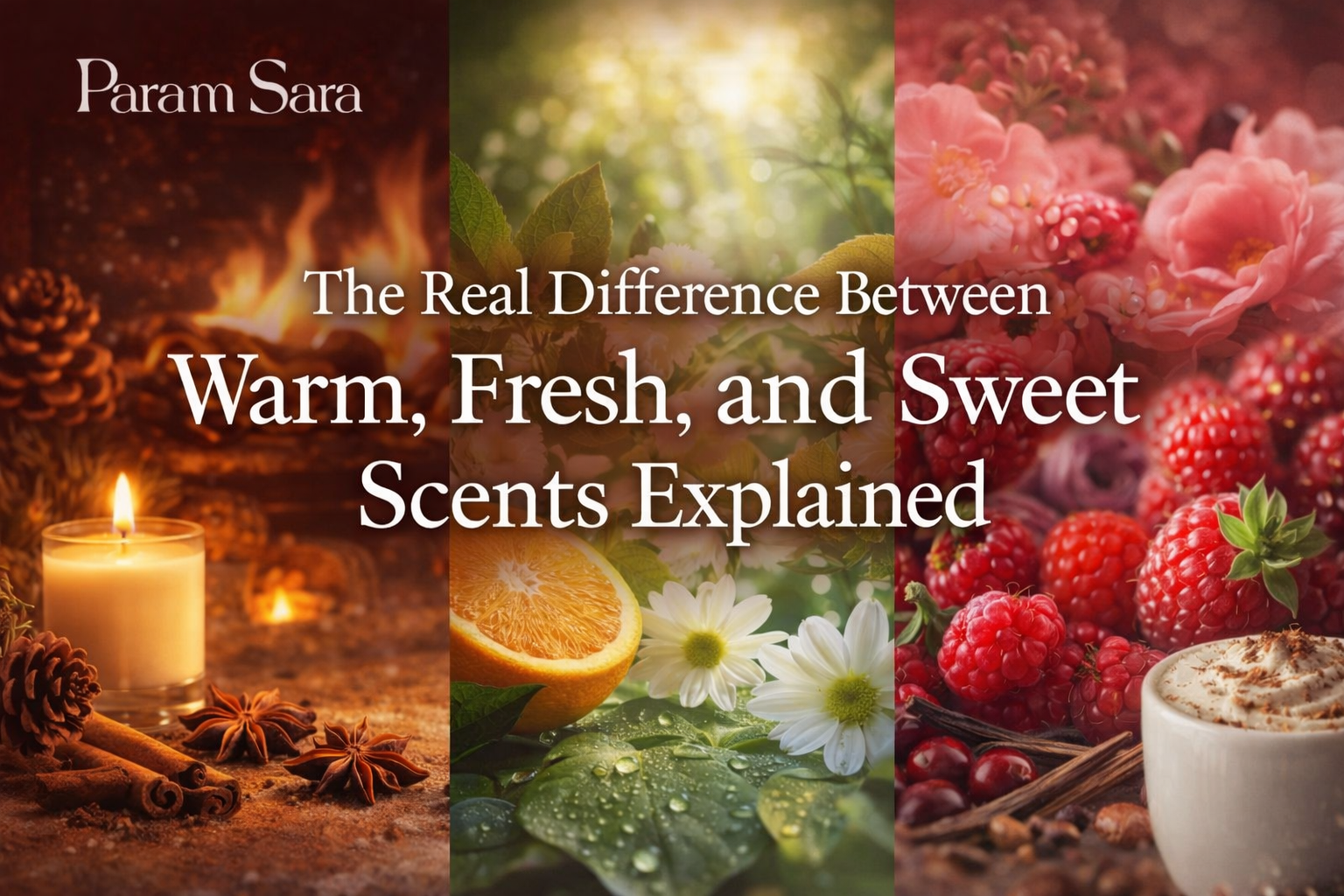
Warm scents → safety
Fresh scents → clarity
Sweet scents → emotional comfort
It’s automatic. Your mind responds before you even realise what happened.
The Real Role Each Fragrance Family Plays in Your Mood
Warm Scents — The Mood Softeners
These scents slow things down and bring calm. Vanilla, amber, sandalwood, musk — they all wrap your mood in warmth.
What works: smooth, deep notes
What fails: spicy overload in warm weather
Our take: warm scents are emotional cushions.
Fresh Scents — The Mood Lifters
Fresh scents wake up your brain without caffeine. Citrus, mint, green notes — bright and clean.
What works: crisp citrus
What fails: synthetic “aqua” notes that smell like detergent
Our take: amazing for focus, but don’t expect all-day projection.
Sweet Scents — The Mood Boosters
These lean into nostalgia. Vanilla, caramel, praline — they trigger emotions fast.
What works: sweetness mixed with woods
What fails: overly sugary blends
Our take: sweet scents should comfort, not overwhelm.
How Different Scents Affect You (Quick Table)

Why You Pick Certain Scents Without Realising It
Your scent choices match your mood more than your taste.
Stressed? You reach for warm.
Tired? Fresh starts calling you.
Feeling low? Sweet suddenly feels right.
Your brain is basically choosing your perfume for you.
How to Use Fragrance to Shape Your Mood on Purpose
1. Fresh for mornings
Helps you feel ready before your brain catches up.
2. Warm for evenings
Slows your thoughts and makes you feel grounded.
3. Sweet for comfort days
Softens the edges of a rough mood.
4. Mix notes
Fresh + warm = calm focus
Sweet + wood = cosy but confident
5. Scent your space too
Your room’s fragrance also shapes your mood.
Conclusion: Fragrance Shapes Your Mood More Than You Think — And Param Sara Helps You Use It Well
Fragrance isn’t just something you wear — it’s something that shapes your entire day. Warm scents soften your mood. Fresh scents wake you up. Sweet scents bring comfort. And all of this happens silently, without effort.
At Param Sara, we create fragrances that move with your emotions, not against them. Scents that feel calming on stressful days, uplifting when your energy dips, and warm when your heart needs grounding. If you want fragrances that don’t just smell beautiful but genuinely support your mood, Param Sara is where that experience starts.
FAQs
1. Why do certain perfumes make me feel calmer instantly?
Warm notes like vanilla and sandalwood lower your nervous system response, helping your body relax before you even think about it.
2. Why do some perfumes give me a headache?
Harsh synthetic notes, strong fruity blends, or too much sweetness can overstimulate your senses — especially in tight spaces.
3. Can wearing the wrong scent affect my mood negatively?
Yes. A too-fresh scent on a stressful day can feel sharp, and a heavy, warm scent in heat can feel suffocating. Your mood and scent need to match.
4. Do long-lasting scents change mood better than light ones?
Not always. Fresh scents are great for quick boosts. Warm and woody notes influence mood longer because they stay on the skin longer.
5. Why does my perfume smell different when I’m stressed?
Stress changes body chemistry (especially skin pH and temperature), which affects how perfume develops.


Write a comment ...